








Why AI Helps Some People but Not Others
AI helps some people a lot, while others see little benefit. This article explains why, in a simple and practical way.

Introduction
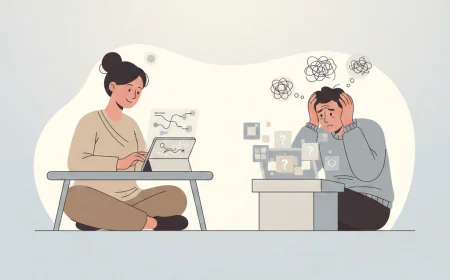
AI has become widely available, yet people experience very different results when using it. Some say AI saves them hours of work, while others feel it adds little value or even creates frustration.
This difference is not about intelligence, technical skill, or having the “right” tools. In most cases, it comes down to how people approach AI, not what AI can do.
This article explains why AI helps some people significantly and why others struggle to see benefits.
It’s Not About the Tool
A common assumption is that success with AI depends on choosing the right tool. While tools matter, they are rarely the deciding factor.
People using different AI tools often experience similar results. What changes is how clearly they know what they want help with.
AI responds to direction. Without direction, even powerful tools feel ineffective.
Clear Goals Make a Big Difference
People who benefit most from AI usually start with a clear goal.
For example:
-
“Help me draft this email”
-
“Summarize this document”
-
“Give me a starting outline”
People who struggle often start with vague requests, such as:
-
“Make this better”
-
“Help me work faster”
The clearer the goal, the more useful the response.
Expectations Shape Results
Another key difference lies in expectations.
People who benefit from AI tend to:
-
expect rough drafts, not perfection
-
see AI as a helper, not a solution
-
refine results step by step
People who struggle often expect AI to deliver finished work immediately. When that does not happen, disappointment follows.
AI Rewards Interaction, Not One-Time Use
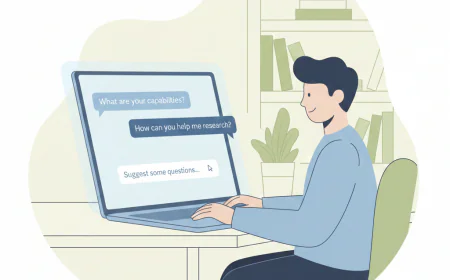
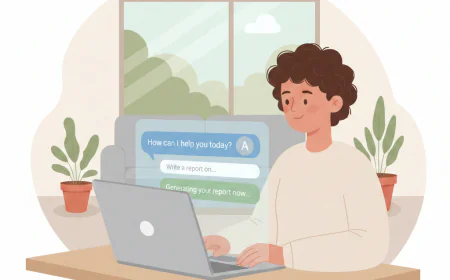
AI works best when treated as a conversation, not a single command.
People who succeed:
-
adjust their requests
-
ask follow-up questions
-
clarify what they want
Those who use AI only once and move on often miss its real value.
Comfort With Experimenting Matters
People who are comfortable experimenting usually benefit more from AI. This does not mean being technical.
It means:
-
trying different ways to ask
-
changing wording
-
exploring alternatives
AI improves as interaction improves.
Human Judgment Is Still Central
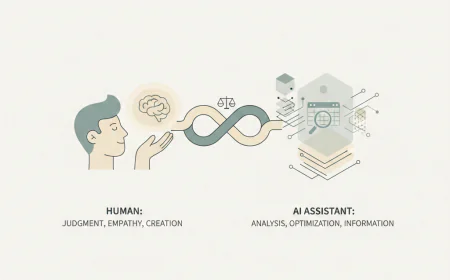
AI does not replace thinking. People who benefit from AI remain actively involved.
They:
-
review results
-
apply context
-
make final decisions
People who rely on AI without judgment often feel let down or confused.
Why Some People Stop Too Early
Many people stop using AI after a few disappointing attempts. They assume AI is “not for them.”
In reality, small adjustments in how AI is used often lead to better results. The learning curve is less about complexity and more about mindset.
How to Get More Value From AI
If AI has not been helpful yet, try this:
-
start with one simple task
-
be specific about what you want
-
treat the first result as a draft
-
adjust and ask again
These small changes often make a big difference.
Final Thoughts
AI does not help everyone equally not because of intelligence or skill, but because of approach.
Those who see AI as a quiet assistant and work with it tend to gain the most. Those who expect instant perfection often feel disappointed.
On Sane AI, we focus on helping people use AI realistically and calmly, so it supports work instead of complicating it.