






AI and Decision Fatigue: How AI Can Help You Think Less
Decision fatigue makes work harder than it needs to be. Learn how AI can reduce mental load and help you think less during the day.

Introduction
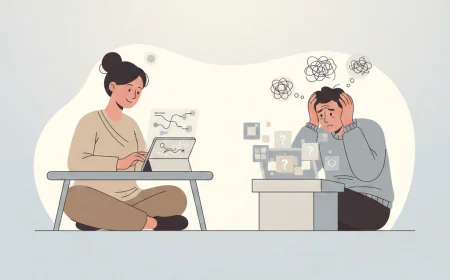
Many people finish their workday feeling mentally exhausted, even if they did not do physically demanding work. Often, the problem is not the amount of work, but the number of decisions made throughout the day.
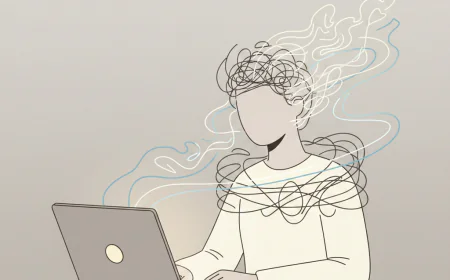
This mental exhaustion is known as decision fatigue. It affects focus, motivation, and the quality of decisions over time.
AI can help reduce this mental load not by making decisions for you, but by removing unnecessary thinking from everyday tasks.
What Is Decision Fatigue?
Decision fatigue happens when your brain gets tired from making too many small choices.
These decisions include:
-
how to phrase an email
-
what to work on next
-
how to organize information
-
how to respond to messages
Individually, these choices seem small. Together, they drain mental energy.
Why Decision Fatigue Affects Productivity
As decision fatigue increases:
-
focus decreases
-
motivation drops
-
mistakes become more likely
-
tasks feel heavier than they are
This often leads to procrastination or frustration, even when tasks are manageable.
How AI Reduces Mental Load
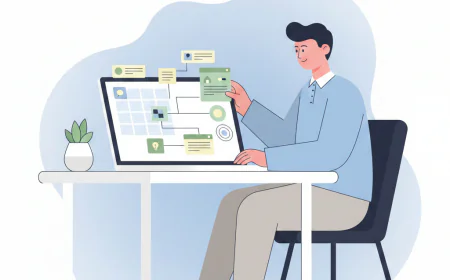
AI helps by reducing the number of decisions you need to make.
Instead of asking:
-
“How should I start this?”
-
“What wording should I use?”
-
“How do I structure this?”
AI provides a starting point. You move from deciding what to do to deciding what to adjust.
Examples of AI Reducing Decision Fatigue
People commonly use AI to:
-
draft emails so wording decisions are reduced
-
summarize documents to avoid deciding what to read
-
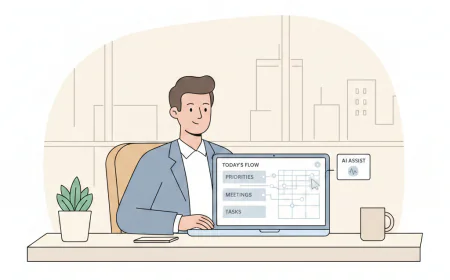
outline tasks instead of planning from scratch
-
suggest alternatives when stuck
These uses remove friction, not control.
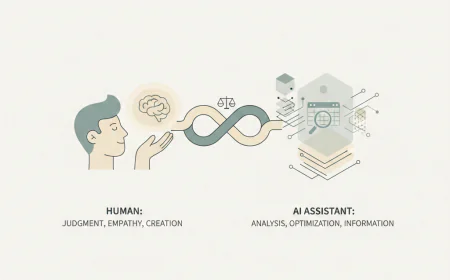
AI Does Not Replace Judgment
AI should not make final decisions. Instead, it reduces the number of small decisions that drain energy.
The important choices still belong to you:
-
priorities
-
tone
-
responsibility
-
final approval
This balance keeps work efficient and human.
Why “Thinking Less” Is a Good Thing
Thinking less does not mean thinking poorly. It means saving mental energy for decisions that actually matter.
When AI handles repetitive thinking, people often feel:
-
calmer
-
more focused
-
less overwhelmed
The goal is not speed alone, but sustainability.
When AI Does Not Help
AI does not help when:
-
tasks require emotional sensitivity
-
decisions involve ethics or risk
-
context is complex and personal
Recognizing these limits prevents overreliance.
A Simple Way to Use AI Against Decision Fatigue
A practical approach:
-
Use AI for first drafts or outlines
-
Let it reduce starting friction
-
Apply your judgment to the result
This keeps AI supportive, not intrusive.
Final Thoughts
Decision fatigue quietly reduces productivity and well-being. AI helps not by replacing thinking, but by removing unnecessary mental effort.
Used calmly, AI becomes a tool that protects focus rather than demanding attention.
On Sane AI, we focus on these realistic uses helping people work with more clarity and less mental strain.