







AI Literacy: A Practical Introduction for Work and Education
A calm and practical introduction to AI literacy. Designed for beginners, teams, and educational settings.
Introduction
Artificial Intelligence is increasingly part of daily work and education. Yet many people use AI tools without fully understanding what AI is, what it can do, and where its limits lie.
AI literacy is not about learning to code or becoming a technical expert. It is about understanding AI well enough to use it responsibly, effectively, and confidently.
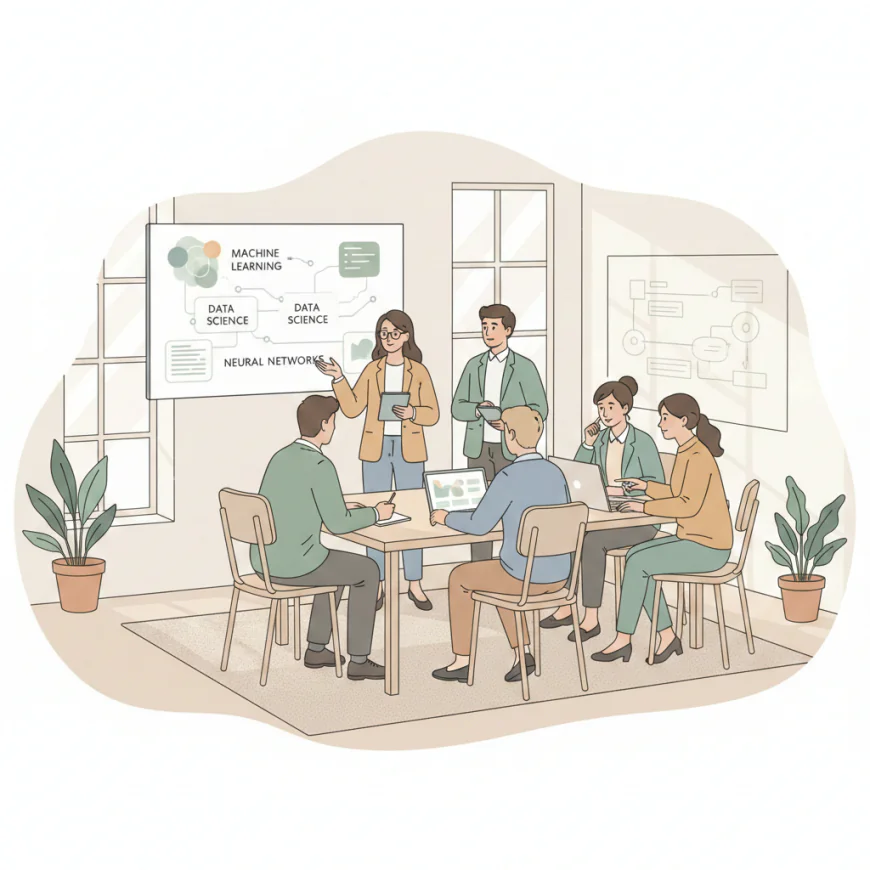
This article provides a practical introduction to AI literacy, suitable for individuals, teams, educators, and organizations.
Learning Objectives
After reading this article, you will understand:
-
What AI is — and what it is not
-
How AI is commonly used in work and learning
-
The limitations of AI systems
-
Why human judgment remains essential
-
How to approach AI responsibly
What Is AI?
Artificial Intelligence refers to systems designed to perform tasks that usually require human intelligence, such as understanding language, recognizing patterns, or generating text.
AI does not think, feel, or understand in a human sense. It processes data and generates responses based on patterns learned from large amounts of information.
A useful way to think about AI is:
AI is a tool that works with information, not understanding.
What AI Is Commonly Used For
In practical settings, AI is most often used to:
-
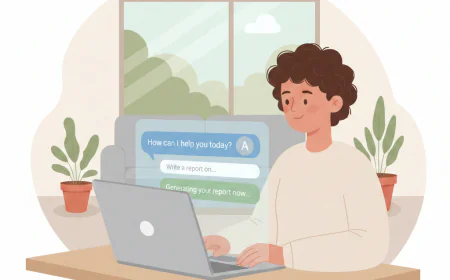
draft and rewrite text
-
summarize information
-
organize ideas
-
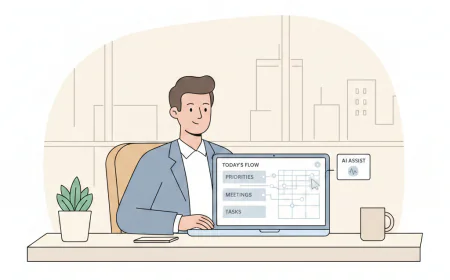
assist with planning
-
answer questions
These uses help reduce time spent on repetitive or mentally draining tasks.
What AI Cannot Do
Understanding AI limitations is a key part of AI literacy.
AI cannot:
-
take responsibility for decisions
-
understand real-world consequences
-
verify truth independently
-
replace human values or judgment
AI systems may produce confident-sounding outputs even when they are incorrect. Human oversight is always required.
The Role of Human Judgment
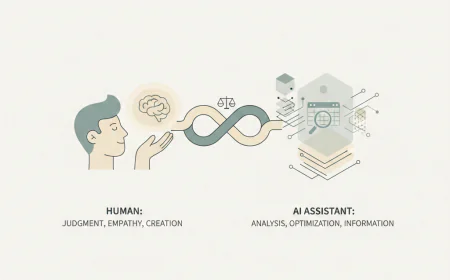
AI literacy emphasizes that AI is a support tool, not a decision-maker.
Humans remain responsible for:
-
evaluating accuracy
-
applying context
-
making ethical choices
-
final decision-making
Effective AI use combines automation with critical thinking.
Responsible Use of AI
Responsible AI use involves:
-
being transparent when AI is used
-
verifying important information
-
avoiding overreliance
-
respecting privacy and data sensitivity
AI literacy helps prevent misuse and unrealistic expectations.
AI Literacy in Work and Education
In workplaces and educational environments, AI literacy supports:
-
informed decision-making
-
ethical use of tools
-
better collaboration
-
reduced fear and confusion
Instead of banning or blindly adopting AI, literacy enables thoughtful integration.
Common Misunderstandings About AI
Many concerns about AI come from misunderstandings, such as:
-
AI replacing all jobs
-
AI being neutral or objective
-
AI always being accurate
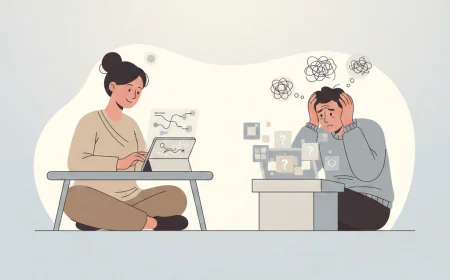
AI literacy replaces fear with understanding and realistic expectations.
How to Start Building AI Literacy
A practical approach to AI literacy:
-
Learn what AI can and cannot do
-
Use AI for simple, low-risk tasks
-
Review outputs critically
-
Reflect on impact and limitations
This approach builds confidence without dependence.
Key Takeaways
-
AI literacy is about understanding, not technical expertise
-
AI supports human work but does not replace responsibility
-
Knowing AI’s limits is as important as knowing its strengths
-
Responsible use requires judgment and oversight
-
Calm, informed use leads to better outcomes
For Educators and Teams
This article can be used as:
-
introductory AI literacy material
-
reading for workshops or training sessions
-
discussion starter for responsible AI use
It is designed to support understanding without promoting specific tools or products.
Final Thoughts
AI literacy empowers people to use AI calmly and responsibly. It reduces fear, prevents misuse, and helps integrate AI where it truly adds value.
On Sane AI, we aim to make AI understandable, practical, and human-centered — for individuals, teams, and educators alike.