






Best AI Tools to Save Time at Work: Free vs Paid
Many people wonder whether free AI tools are enough, or if paid versions are necessary to save real time at work. The answer depends on how you work and what you expect from AI. This article compares free and paid AI tools purely from a productivity perspective. No hype, no sales pressure — just a practical look at what you get and when upgrading might make sense. Which AI tools actually save time at work? A calm comparison of free vs paid AI tools, explained simply for beginners.
1. Free AI Tools
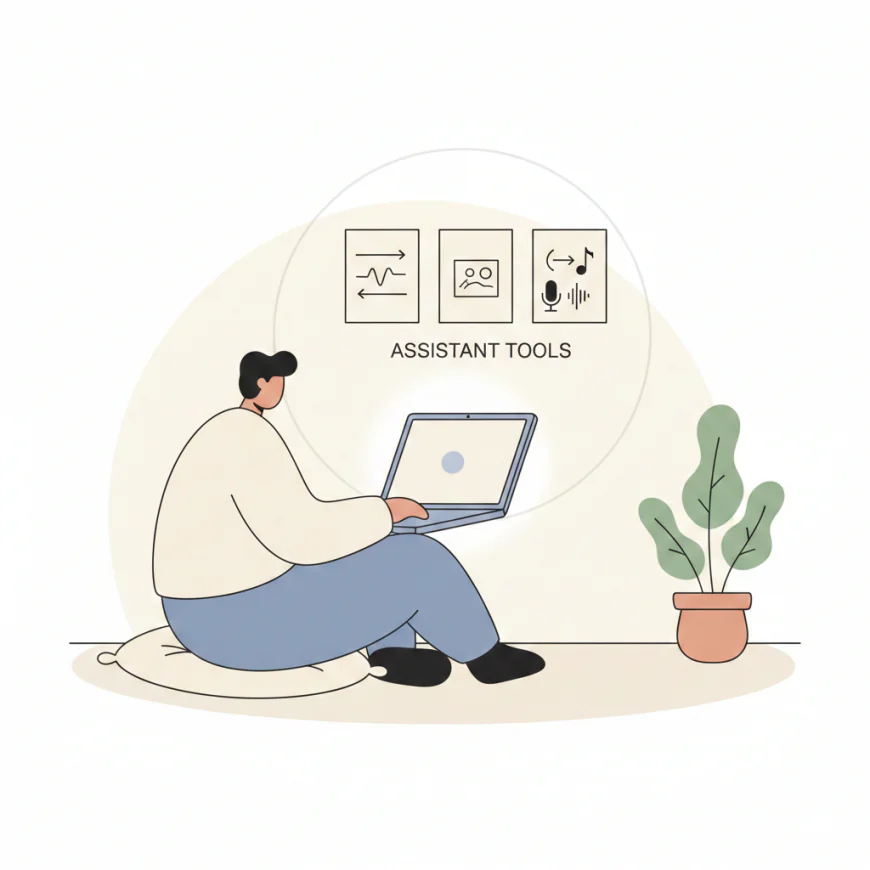
Free AI tools are often more powerful than people expect. For many office tasks, they already provide enough functionality to save time.
Free tools are commonly used for:
-
drafting emails
-
summarizing text
-
brainstorming ideas
-
basic organization
They are ideal for beginners who want to explore AI without commitment. The main limitation is usually usage limits or fewer advanced features, not usability.
2. Paid AI Tools
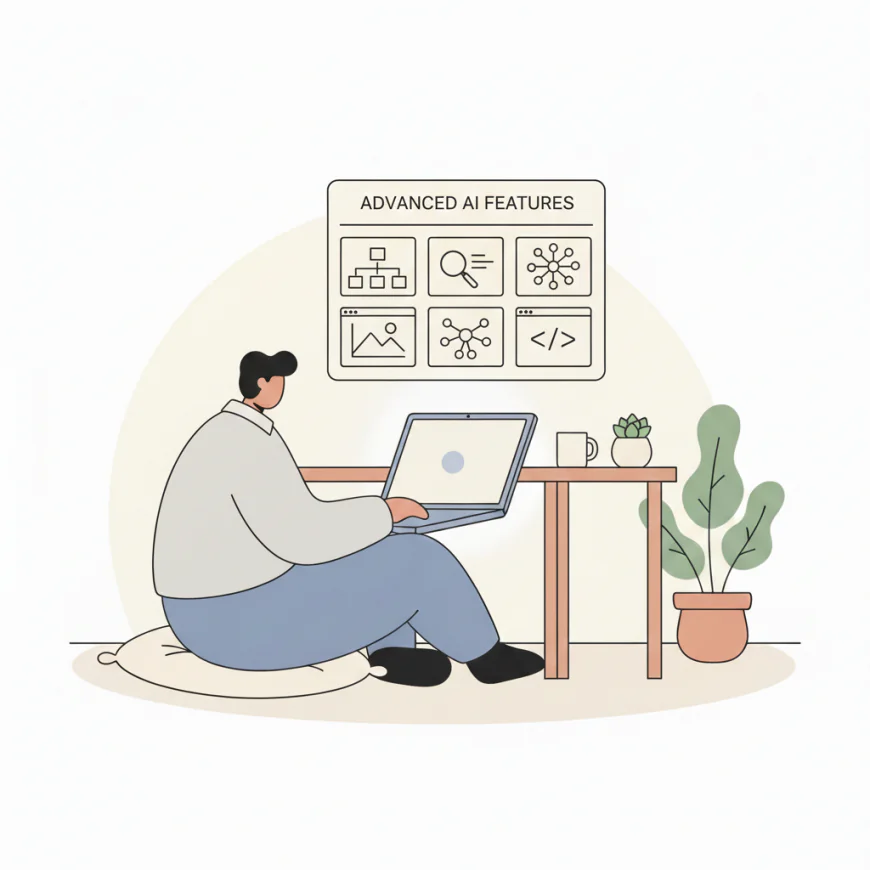
Paid AI tools often add convenience rather than completely new abilities. They may offer faster responses, higher limits, or better integration with work software.
Paid tools are useful when:
-
AI is used daily
-
tasks are repetitive
-
speed matters
-
integration saves manual steps
For heavy users, these improvements can justify the cost. For occasional use, free tools are often sufficient.
3. Which Option Saves More Time?
Free AI tools save time by helping you start faster and reduce mental effort. Paid tools save time by removing friction once AI becomes part of your daily workflow.
For beginners and casual users, free tools usually deliver the biggest value. Paid tools make more sense when AI is already part of how you work every day.
4. A Practical Rule for Choosing
A simple rule works well for most people:
Start with free tools.
If you regularly hit limits or save significant time, then consider paid options.
Upgrading too early often adds cost without real benefit. Upgrading later is a conscious productivity choice, not a gamble.