














AI for Daily Planning: A Simple System That Actually Works
A simple, realistic system for using AI in daily planning. No complexity, no over-optimization—just calm structure that works.

Introduction
Daily planning is one of the most common productivity challenges. Many people either overplan their day or avoid planning altogether because it feels like extra work.
AI can help with daily planning—but only if it is used simply. Complex systems, endless prompts, or constant adjustments usually make planning worse, not better.
This article introduces a simple AI-based daily planning system that works quietly in the background and supports focus instead of creating more decisions.
Why Most Planning Systems Fail
Many planning systems fail because they:
-
require too many steps
-
demand constant updates
-
feel rigid or overwhelming
When planning becomes a task in itself, people stop using it.
AI should reduce planning effort, not add to it.
The Goal of a Simple Planning System
A good daily planning system should:
-
clarify priorities
-
reduce decision fatigue
-
adapt easily
-
take only a few minutes
AI works best when it supports these goals without taking control.
Step 1: Capture Tasks Without Organizing Them
Start by listing everything that needs attention—without organizing or prioritizing yet.
AI can help by:
-
turning notes or messages into a task list
-
summarizing meetings into action points
At this stage, clarity matters more than order.
Step 2: Ask AI to Suggest a Simple Structure
Instead of manually sorting tasks, ask AI to group them.
For example:
-
urgent vs non-urgent
-
focused work vs quick tasks
This removes the mental effort of structuring and gives you a neutral starting point.
Step 3: Choose Priorities Yourself
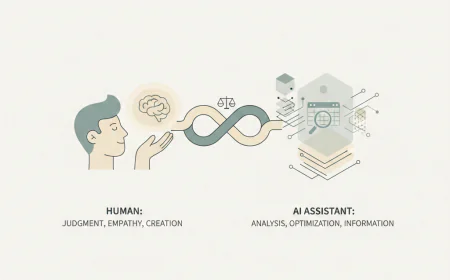
AI should not decide what matters most. It should only suggest structure.
Review the grouped tasks and select:
-
one main priority
-
two or three supporting tasks
Human judgment stays central here.
Step 4: Use AI Only Once per Day
A common mistake is reopening AI constantly throughout the day.
A simple rule:
Use AI during planning, then close it.
This keeps focus intact and prevents distraction.
Step 5: Adjust, Don’t Restart
If the day changes, adjust the plan slightly instead of rebuilding it.
AI can help with small adjustments, but the core plan should remain stable. This avoids unnecessary mental load.
When AI Helps Planning Most
AI adds the most value when:
-
tasks feel scattered
-
planning feels heavy
-
starting is difficult
It adds less value when:
-
tasks are already clear
-
deep focus is required
Knowing when to use AI matters as much as knowing how.
A Minimal Daily Planning Habit
A realistic habit:
-
5 minutes of AI-assisted planning
-
one clear priority
-
limited task list
-
no constant re-optimization
This keeps planning supportive, not dominant.
Final Thoughts
AI can make daily planning easier—but only when used with restraint. The goal is not a perfect plan, but a calm structure that supports focus.
Used simply, AI becomes a planning assistant that reduces mental effort instead of demanding attention.
On Sane AI, we focus on systems that work quietly in the background—so people can focus on their actual work.